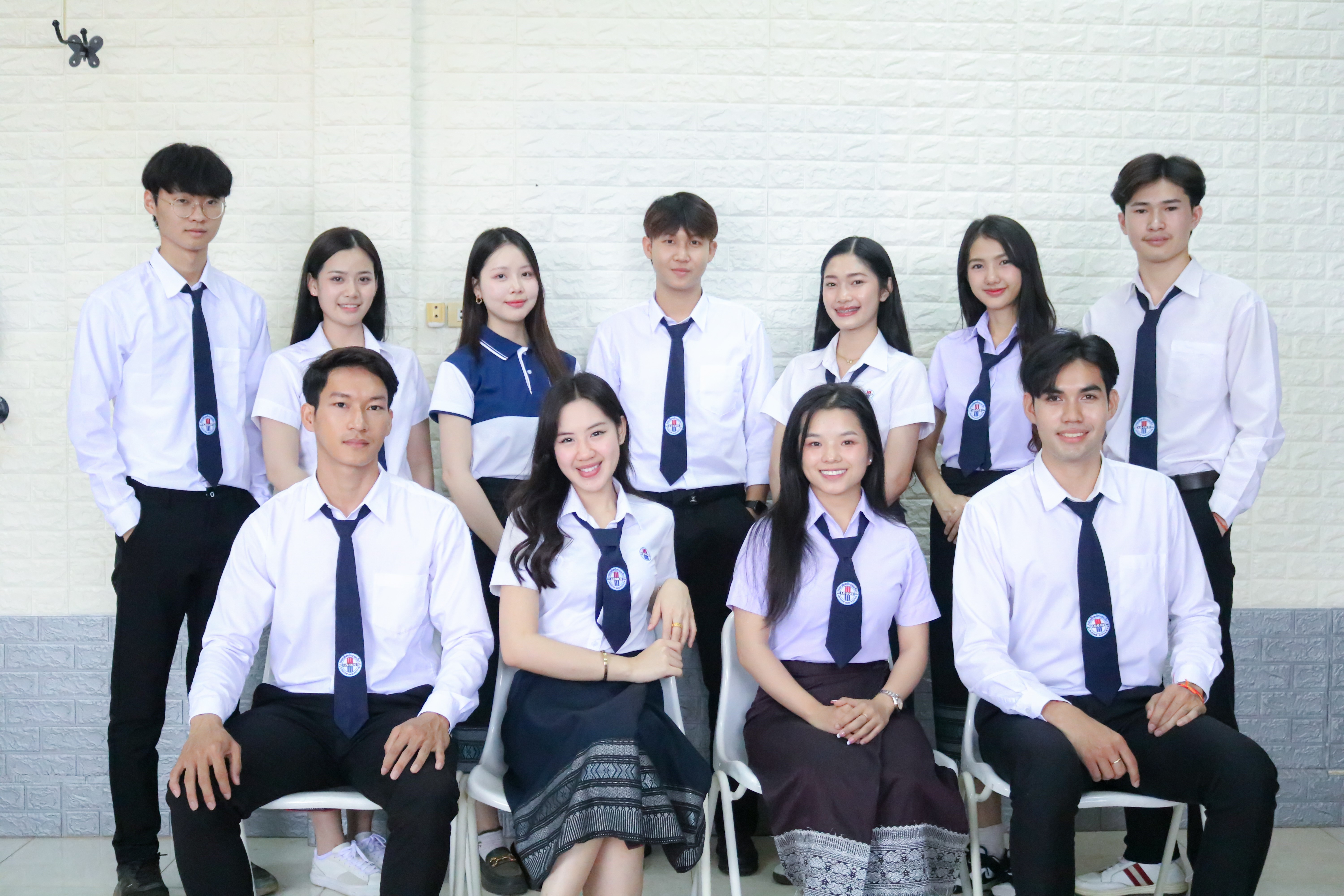
Bachelor of Arts in Korean Studies
Course Overview
Over the past decade, South Korea has emerged as a global leader in technology, innovation, and the entertainment industry (Hallyu). Our Korean Studies program goes beyond simple language instruction; it is designed to cultivate "Korea Experts" who possess a deep understanding of the cultural foundations, economic mechanisms, and development strategies of South Korea. Our curriculum is tailored to meet the growing demands of the international labor market.
What You Will Learn
We have designed our curriculum to cover all essential dimensions, ensuring that students acquire comprehensive knowledge:
1. Professional Korean Language: Development of listening, speaking, reading, and writing skills from fundamental levels to advanced proficiency, with a focus on preparation for the TOPIK (Test of Proficiency in Korean) examination.
2. Korean Economy & Management: A study of the success strategies behind major conglomerates (Chaebols) and the unique aspects of Korean workplace culture.
3. Modern History & Society: An exploration of South Korea’s evolution from its historical roots to its current status as one of the world's most advanced nations.
4. Soft Power & Culture: Understanding the global influence of K-Pop, K-Drama, and Korean cuisine on the world economy and society. Program Highlights
1. Interactive Learning: Emphasis on practical application through engagement with native-speaking instructors and experts with direct industry experience.
2. Collaborative Network: Opportunities for scholarships, student exchange programs, and internships with leading universities and organizations in South Korea.
3. Technological Integration: Utilization of modern educational media to make language learning intuitive, effective, and engaging. Career Opportunities
Graduates of the Korean Studies program have a wide range of high-potential career options, including:
1. Multinational Corporations: Employment within major Korean companies both domestically and abroad.
2. International Relations: Positions in embassies or international development organizations (e.g., KOICA).
3. Specialized Professions: Professional interpreting, translation, or teaching the Korean language.
4. Service Industry: Airline personnel, VIP tour guides, or management roles in the tourism sector.